Aunties | anti
Auntie is mood. Auntie is spirit. Auntie is prayer. Auntie is medicines. Auntie is dream. Auntie is hope. Auntie is smarten up. Auntie is feeling. Auntie is dream. Auntie is hope. Auntie is smarten up. Auntie is feeling. Auntie is encouragement. Auntie keeps going. Auntie has no gender. Auntie saves lives. Embody Auntie. Be Auntie. Say Auntie.
– Auntie, by Edzi’u
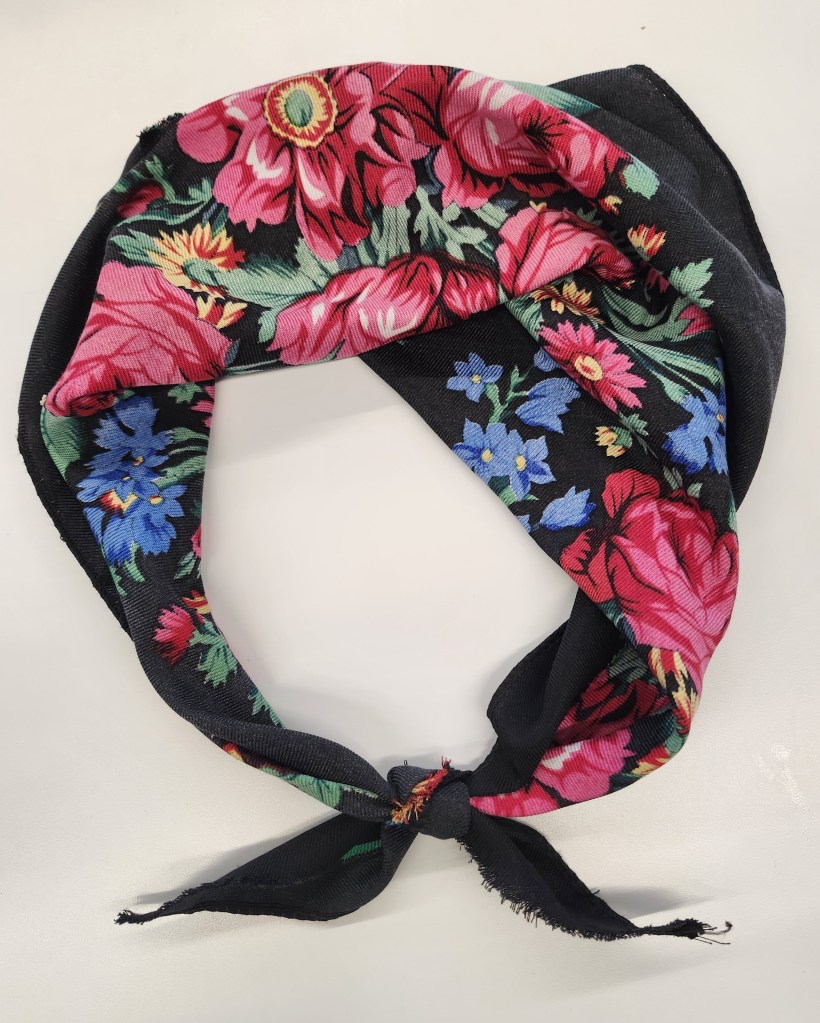
In many Indigenous families and communities, aunties are the ones that carry tradition. Aunties provide counsel, mentorship, and guidance, and are someone to turn to. Aunty is a term of endearment, one that recognizes a bond of kinship and relationship.
Being an aunty is an honour, and a responsibility.
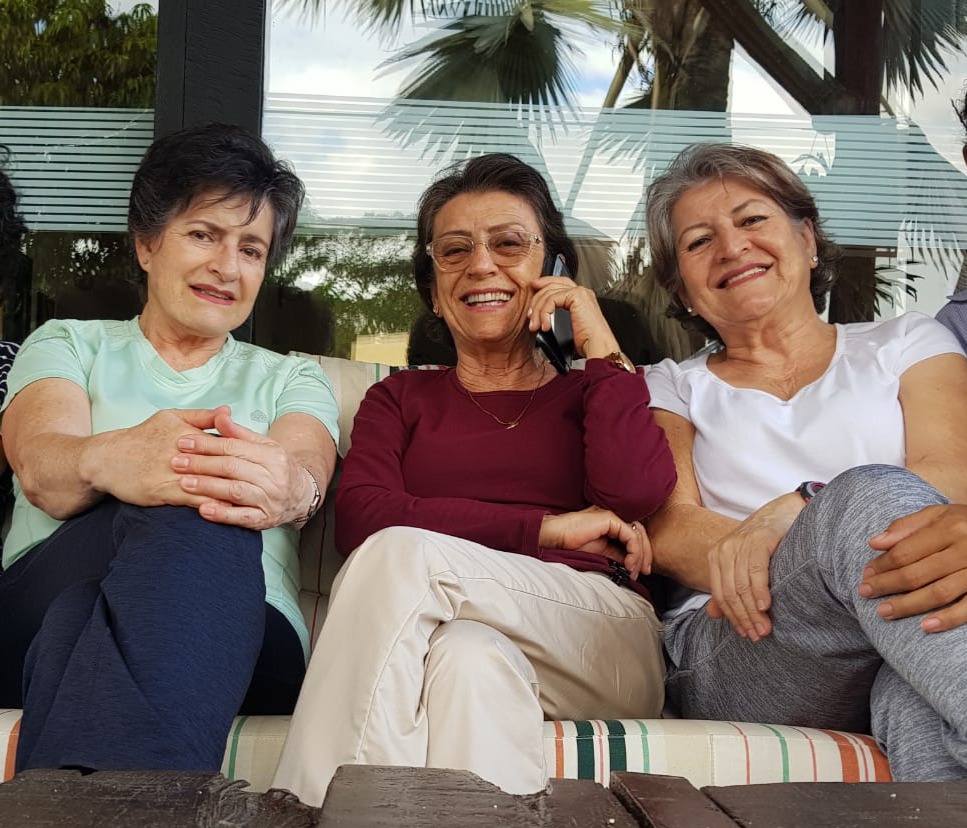
The role of the aunty extends across cultures. In 2SLGBTQIA+ communities, we can think about the roles of chosen family providing support and mentorship, and passing on knowledge. In this way, “aunty” transcends gender and centers relationality and social bonds. In Latin America while societies have grown within the frame of patriarchy it is common knowledge that multigenerational families are ruled by women; the role of aunts is one of complicit support. Aunties are a “renewable resource”, and for some, a right: to be an auntie, and to be auntied.
Celebrating our aunties across cultures, this exhibit channels “big aunty energy”. Big aunty energy is a presence, a demand and statement that we are included in narratives and actions from which we – Indigenous women, racialized, queer –have historically been excluded, rewriting history from our perspectives. Big aunty energy is love, understanding, and a soft place to land. And, the aunty represents anti-colonialism. In this way, the exhibit explores the “anti” as well: centering aunties as an act of anti-colonialism, anti-racism, and anti-oppression.
Aunties | Anti summons celebration, power, protest, and strength.
The exhibit features works from Mount Royal University students Alaskan Manywounds and Avery Follett, and the Jellybean Collective (Jaime Waucaush-Warn, Karen Pheasant-Neganigwane, Gloria Pérez-Rivera, Celeste Pang).
The exhibit was organized by the Jellybean Collective. We thank the Faculty of Arts Endeavour Fund, Mount Royal University and The Office of Indigenization and Decolonization for funding and support.
The exhibit was organized by the Jellybean Collective. We thank the Faculty of Arts Endeavour Fund, Mount Royal University and The Office of Indigenization and Decolonization for funding and support.
Mis tías en la historia de Colombia, 2025
Gloria Pérez-Rivera
Panel 1
Panel 2
Panel 3
Gunasi, 2025
Alaskan Manywounds
 Aunties | Anti